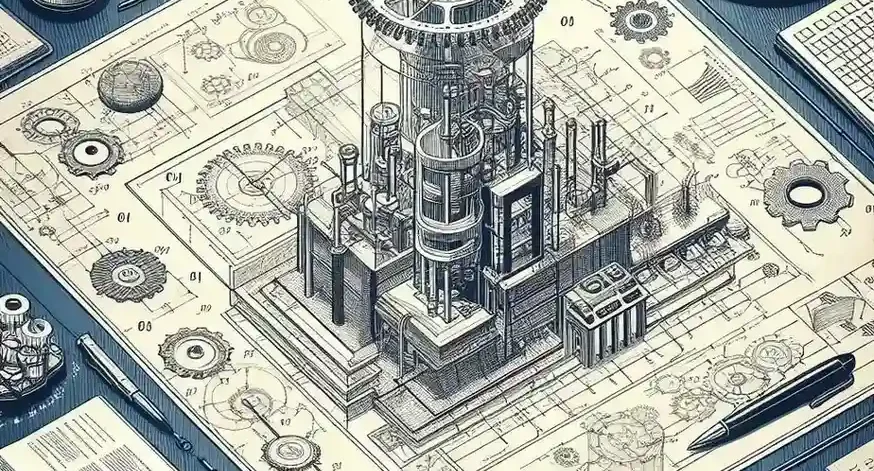
In the ever-evolving landscape of intellectual property, obtaining a utility patent is a crucial step for inventors seeking to protect their innovative ideas. The United States Patent and Trademark Office (USPTO) plays a pivotal role in this process, setting forth stringent Requirements for Utility Patents to ensure that patent applications meet the necessary legal and technical standards. One of the most critical aspects of fulfilling these Requirements for Utility Patents is the inclusion of accurate, professional, and high-quality patent drawings.
Utility patent drawings are not just supporting visuals—they are essential tools that enhance clarity, improve examiner understanding, and strengthen your patent application. In this comprehensive guide, we will explore the key elements involved in meeting the Requirements for Utility Patents, with a special focus on drawings, and how a professional partner like The Patent Drawing Services can help you achieve perfection in your patent drafting journey.
Understanding Requirements for Utility Patents
Before diving into drawings, it’s important to understand the broader Requirements for Utility Patents set by the USPTO. A utility patent protects the functional aspects of an invention—how it works and how it is used. To qualify, your invention must meet the following criteria:
- Novelty – The invention must be new and not disclosed previously.
- Non-obviousness – It should not be obvious to someone skilled in the field.
- Utility – The invention must have a useful purpose.
- Proper Documentation – This includes detailed descriptions, claims, and drawings.
Among these, patent drawings play a significant role in fulfilling documentation requirements. In fact, many applications face delays or rejections simply because they fail to meet drawing standards under the Requirements for Utility Patents.
Understanding Utility Patent Drawings
Utility patent drawings are visual representations that accompany the written description of an invention. These drawings are not optional in most cases they are required when they help in understanding the invention.
To comply with the Requirements for Utility Patents, drawings must:
1. Clarity and Detail
Utility patent drawings must be clear, legible, and sufficiently detailed. Every feature of the invention should be accurately represented. Multiple views such as front, side, top, sectional, or exploded views should be included where necessary.
Clarity ensures that the USPTO examiner can fully understand your invention without ambiguity. Poor-quality or unclear drawings can lead to objections, increasing both time and cost.
2. Standardization of Elements
The USPTO has strict formatting rules as part of the Requirements for Utility Patents, including:
- Specific sheet sizes
- Defined margins
- Proper line thickness
- Consistent numbering and labeling
- Black-and-white line drawings (in most cases)
Failure to follow these standards can result in immediate rejection or requests for correction.
3. Consistency with Patent Claims
Your drawings must align perfectly with your written description and claims. Any inconsistency between these elements can weaken your application and create confusion during examination.
A cohesive presentation is critical to meeting the Requirements for Utility Patents and ensuring a smooth review process.
Importance of Meeting Requirements for Utility Patents
Meeting the Requirements for Utility Patents is not just about compliance it directly impacts the success of your application. Here’s why:
- Reduces Rejections: Proper drawings minimize objections from examiners.
- Speeds Up Approval: Accurate submissions reduce back-and-forth communication.
- Strengthens Protection: Clear visuals support stronger patent claims.
- Improves Understanding: Helps examiners and stakeholders grasp the invention easily.
In short, high-quality drawings are an investment in the success of your intellectual property.
The Role of Patent Drawing Services
Perfecting drawings to meet the Requirements for Utility Patents requires technical expertise, artistic precision, and a deep understanding of USPTO rules. This is why many inventors and patent professionals rely on specialized service providers.
The Patent Drawing Services is a trusted name in this domain, offering end-to-end solutions tailored to patent professionals, inventors, and businesses.
How The Patent Drawing Services Can Help
1. Expert Draftsmanship
The Patent Drawing Services employs skilled draftsmen with extensive experience in creating utility patent drawings. Each drawing is crafted with precision, ensuring it accurately represents the invention while meeting USPTO standards.
Their expertise ensures that every detail no matter how small—is correctly illustrated, aligning perfectly with the written description.
2. USPTO Compliance
Understanding and implementing the Requirements for Utility Patents can be complex. The Patent Drawing Services ensures that every drawing complies with USPTO guidelines, including formatting, labeling, and structure.
This reduces the risk of rejections and helps streamline the application process.
3. Versatility in Patent Drawings
Whether you need utility patent drawings, design patent drawings, or trademark illustrations, The Patent Drawing Services offers comprehensive solutions.
Their team works across industries, delivering customized drawings for mechanical, electrical, medical, and software-related inventions.
4. Fast Turnaround and Accuracy
Time is critical in patent filing. Professional services ensure quick delivery without compromising quality, helping you meet deadlines while maintaining compliance with the Requirements for Utility Patents.
Crucial Tips for Meeting Requirements for Utility Patents
To further enhance your patent application, consider these practical tips:
- Use Multiple Views: Show all aspects of your invention clearly.
- Maintain Consistency: Keep numbering and labeling uniform across drawings.
- Avoid Unnecessary Details: Focus only on relevant features.
- Follow USPTO Guidelines Strictly: Even small errors can lead to rejection.
- Work with Professionals: Expert services ensure accuracy and compliance.
These steps can significantly improve your chances of meeting the Requirements for Utility Patents successfully.
Enhancing Patent Drafting Services
High quality drawings are just one part of effective patent drafting. Combining professional drawings with well written specifications and claims creates a strong, complete application.
By integrating expert drawing services into your workflow, you not only meet the Requirements for Utility Patents but also enhance the overall quality of your intellectual property documentation.
Benefits of Outsourcing Patent Drawing Services
Outsourcing to professionals like The Patent Drawing Services offers several advantages:
- Cost Efficiency: Saves time and internal resources
- Expert Quality: Access to skilled professionals
- Compliance Assurance: Reduces risk of errors
- Scalability: Handle multiple projects
- Faster Processing: Speeds up filing timelines
Outsourcing is a strategic decision that helps inventors and businesses focus on innovation while experts handle technical drawing requirements.
Conclusion
Meeting the Requirements for Utility Patents is a detailed and demanding process that requires precision, compliance, and expertise. Among all components of a patent application, drawings play a crucial role in ensuring clarity, strengthening claims, and facilitating smooth examination by the USPTO.
Partnering with a professional service provider like The Patent Drawing Services ensures that your drawings meet the highest standards and fully comply with USPTO guidelines. With expert draftsmanship, strict compliance, and industry-specific solutions, they help transform your ideas into professionally documented inventions ready for approval.