When filing a patent application, every detail matters. While inventors often invest time in drafting claims and technical descriptions, one critical element is frequently underestimated: bad patent drawings. Poor quality or non-compliant drawings can create serious obstacles and directly delay patent approval, sometimes by months or even longer.
Patent drawings are not just supporting visuals; they are a legal requirement that helps examiners understand your invention. Authorities such as the United States Patent and Trademark Office, European Patent Office, and World Intellectual Property Organization have strict rules governing how drawings must be prepared. Failure to meet these standards can slow down the approval process and increase costs.
This blog explains how bad patent drawings lead to a Delay Patent Approval, highlights common mistakes, and shows how professional drawing services can help you avoid unnecessary setbacks.
What Are Bad Patent Drawings?
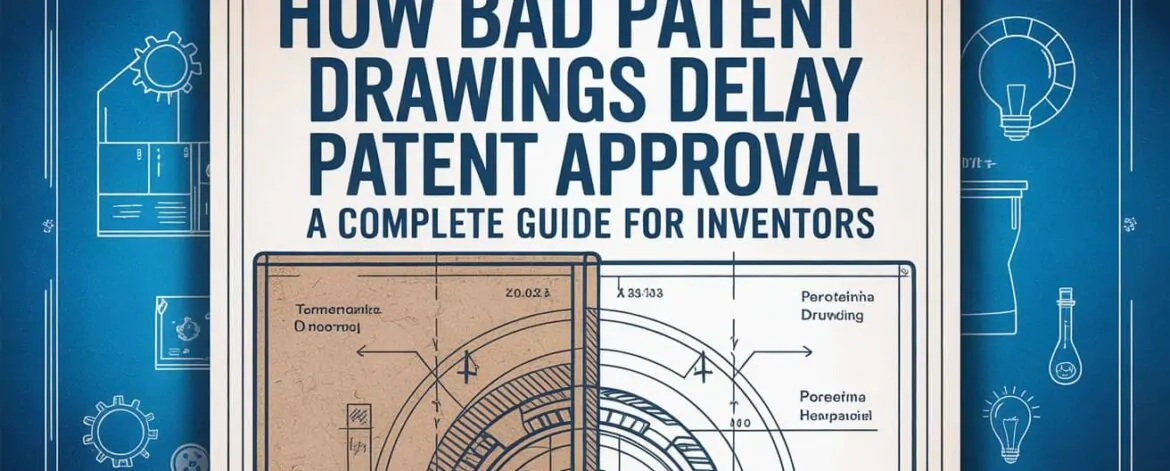
Bad Patent Drawings are illustrations that fail to clearly represent an invention or do not meet official patent office guidelines. These issues often arise when drawings are created without professional expertise or without understanding compliance requirements.
Typical problems include:
- Missing essential views or components
- Poor line clarity or inconsistent thickness
- Incorrect or missing reference numbers
- Drawings that do not match the written specification
- Improper formatting or layout
Even small mistakes can result in objections that Delay Patent Approval.
Why Patent Drawings Are Critical in the Approval Process
Patent drawings play a key role in helping examiners quickly understand how an invention works. In many cases, drawings communicate complex ideas more effectively than written descriptions.
Organizations like the United States Patent and Trademark Office and European Patent Office require drawings to follow strict rules, including:
- Defined margins and page size
- Clear, black-and-white line drawings
- Proper numbering and labeling
- Consistent formatting across all figures
If drawings fail to meet these requirements, the application may be flagged, leading to a Delay Patent Approval.
How Bad Patent Drawings Cause Delay Patent Approval
1. Office Actions and Formal Objections
One of the most common consequences of bad patent drawings is receiving an office action. Patent examiners may reject or object to drawings that do not meet required standards.
Each objection requires corrections and resubmission, adding weeks or months and causing a significant Delay Patent Approval.
2. Misinterpretation of the Invention
Unclear drawings can make it difficult for examiners to understand the invention. This can result in:
- Requests for clarification
- Additional examination cycles
- Incorrect assumptions about the invention
Such confusion caused by bad patent drawings often leads to further review and a prolonged delay patent approval.
3. Inconsistency Between Drawings and Description
Patent drawings must align perfectly with the written specification. If there are mismatches—such as missing elements or incorrect labels—it creates discrepancies.
These inconsistencies can lead to objections and revisions, contributing directly to a delay patent approval.
4. Non-Compliance with International Standards
For global patent filings, compliance becomes even more important. Applications submitted through the World Intellectual Property Organization must meet international standards.
bad patent drawings that fail to comply can result in multiple objections across jurisdictions, increasing the overall time and leading to a longer delay patent approval.
5. Multiple Revision Cycles
Poor-quality drawings often require repeated revisions. Each revision involves coordination between inventors, attorneys, and illustrators.
This back-and-forth process caused by bad patent drawings can significantly extend timelines and delay patent approval.
Common Mistakes That Lead to Bad Patent Drawings
Many inventors unintentionally create bad patent drawings due to lack of experience. Common mistakes include:
- Using hand-drawn or low-resolution sketches
- Omitting important views such as sectional or exploded diagrams
- Overcomplicating illustrations with unnecessary details
- Incorrect numbering or inconsistent labels
- Ignoring guidelines set by the United States Patent and Trademark Office
Avoiding these mistakes is essential to prevent a delay patent approval.
Impact of Delay Patent Approval on Your Business
A delay patent approvall is not just a procedural issue it can affect your business strategy and growth.
1. Loss of Competitive Advantage
Delays can give competitors time to develop similar products or enter the market earlier.
2. Increased Costs
Multiple revisions and extended legal processes increase overall expenses.
3. Delayed Funding Opportunities
Investors often prefer patented or pending technologies. Delays can slow down funding.
4. Extended Risk Exposure
Without approval, your invention remains vulnerable to copying or misuse.
All of these risks can stem from Bad Patent Drawings.
How Professional Drawing Services Prevent Delays
Hiring experts is the most effective way to avoid bad patent drawings and prevent a delay patent approval
Professional services provide:
- Accurate and technically sound illustrations
- Compliance with European Patent Office and United States Patent and Trademark Office standards
- Consistent labeling and formatting
- Alignment with written specifications
- Quick revisions based on feedback
This reduces the chances of objections and speeds up the approval process.
Types of Patent Drawing Services Available
To ensure complete protection, different types of drawing services are used:
- Utility Patent Drawings: Focus on how the invention works and its structure
- Design Patent Drawings: Highlight the appearance and visual features of a product
- Trademark Drawings Services: Represent logos, symbols, and brand elements
Choosing the right service helps eliminate Bad Patent Drawings and reduces the risk of a Delay Patent Approval.
Best Practices to Avoid Bad Patent Drawings
To ensure your drawings meet requirements and support your application, follow these best practices:
- Work with experienced patent drawing professionals
- Provide clear instructions, sketches, or CAD files
- Carefully review drawings before submission
- Ensure consistency with written descriptions
- Follow international guidelines from the World Intellectual Property Organization
These steps can significantly reduce the chances of Bad Patent Drawings and prevent delays.
Why High-Quality Drawings Are Worth the Investment
Investing in professional drawings may seem like an additional cost, but it saves time and money in the long run. High-quality drawings:
- Improve clarity and understanding
- Reduce examiner queries
- Speed up the approval process
In contrast, Bad Patent Drawings create confusion, increase revisions, and ultimately Delay Patent Approval.
Conclusion
Patent drawings are a vital part of your application, not just a formality. Bad Patent Drawings can lead to objections, misinterpretation, and repeated revisions—all of which Delay Patent Approval and increase costs.
By ensuring compliance with standards set by the United States Patent and Trademark Office, European Patent Office, and World Intellectual Property Organization, you can streamline your application process and improve your chances of success.
Don’t let Bad Patent Drawings slow down your innovation.
Choose The Patent Drawing Services for accurate, compliant, and high-quality drawings.
From Utility Patent Drawings to Design Patent Drawings and Trademark Drawings Services, get expert support that helps you avoid delays and secure faster approvals.
Contact The Patent Drawing Services today and move forward with confidence toward successful patent approval!